Shore Power
Replacement Guide: Legacy European Cable Reels & Connectors
How to replace a discontinued European cable reel or shore connection component without re-specification: what to measure, which interfaces to preserve, and how approval works.
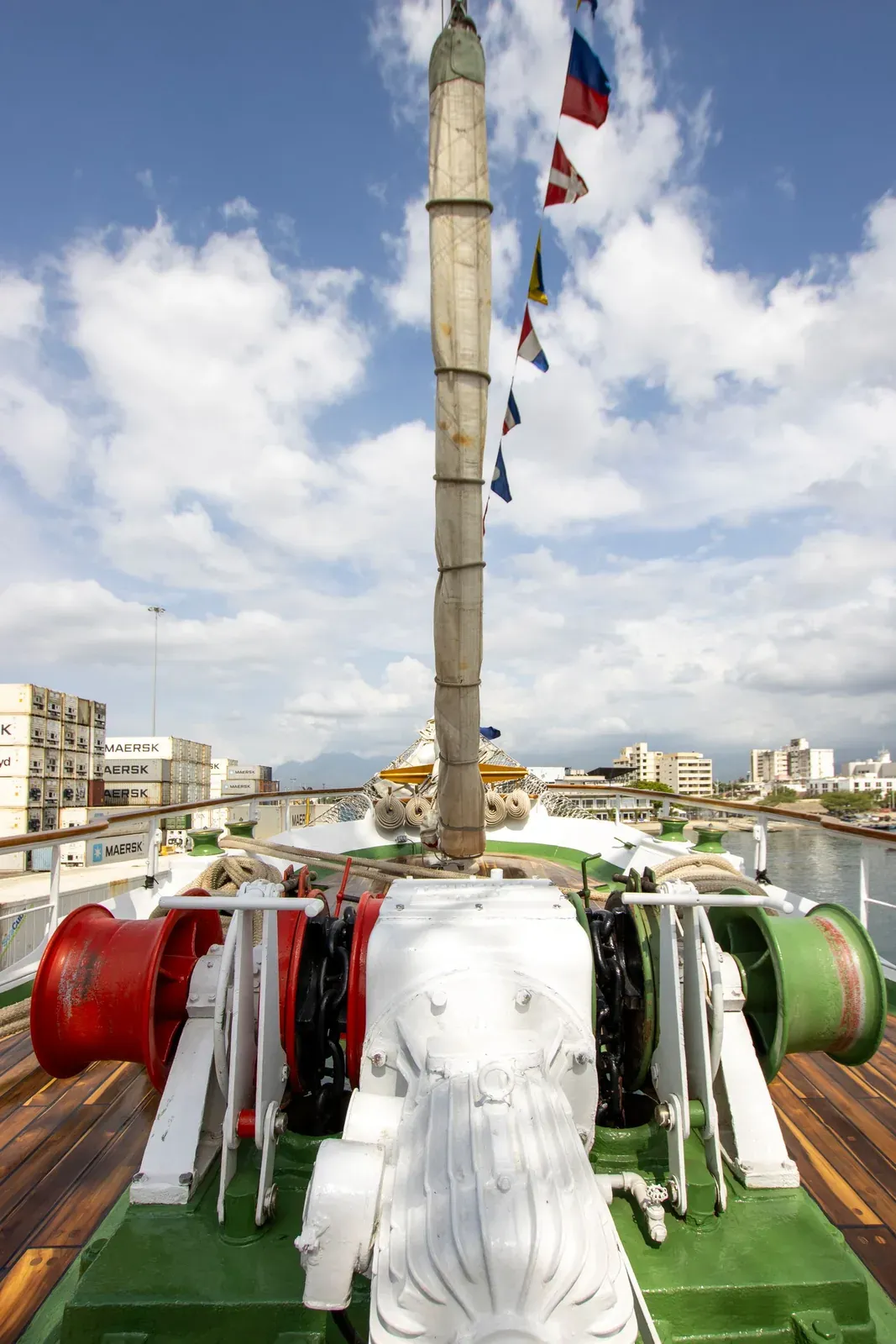
Thousands of European ports and vessels run cable reels and shore connection equipment installed fifteen to twenty-five years ago. The original manufacturers have revised their lines, discontinued models, or repriced through new distribution layers - and the installed base still works, but seals age, slip rings wear and drums corrode. Full re-specification is expensive and disruptive. A dimensionally matched replacement is usually neither.
This guide walks through what a like-for-like replacement actually involves: what to measure before you order, which interfaces must be preserved, and how the approval and lead-time process works when the replacement comes from a specialist factory rather than the original maker.
Why Replacement Beats Re-Specification
When a legacy reel fails, the default reaction is to re-run the entire specification: new load calculations, new drawings, new approvals, new lead times. But the cable entry, the mounting bolt pattern and the interface dimensions were already engineered for that berth or that deck. A replacement engineered to the same dimensions and parameters drops into the existing footprint - no re-drilling, no re-wiring the switchboard, no waiting for the vessel to dry-dock.
The cost difference compounds across a fleet or a port: one replacement purchase order per unit, with type approval documents attached, instead of a consulting study for each installation.
What to Measure Before You Order
1. Nameplate data - rated voltage, rated current, duty cycle and protection class. A photograph of the nameplate is enough to start.
2. Mounting footprint - bolt pattern, flange diameter and the clearance around the drum. Replacement reels are engineered to match, so the existing foundation stays.
3. Cable entry and connector - the plug or socket family on the existing tail, so the replacement mates without adapters that could compromise IP protection.
4. Slip ring configuration - pole count, rated current per pole and any data or fibre-optic channels running through the same rotary joint.
Interfaces That Must Not Change
Three interfaces decide whether a replacement works on the first try. The mechanical interface: mounting footprint, shaft coupling and drum alignment. The electrical interface: voltage class, connector family and cable cross-section. The control interface: limit switches, counters and any ship-shore interlock signals wired into the panel.
A replacement engineered against all three drops straight in. Legacy European installed bases - reels, connection boxes and plugs & sockets - have been replaced this way in Russia, Singapore and Bangladesh, verified in port projects.
Spring or Motor-Driven: Matching the Replacement Drive
If the failed unit is a spring-driven reel (cable rewound by motor spring, no power supply), the replacement is straightforward: match the frame size, spring rating and cable capacity, and the new unit bolts in. If the failed unit is motor-driven, the drive principle matters: hysteresis, torque motor, variable frequency, turbo coupling and hydro-viscous each behave differently under overload and duty-cycle stress. The replacement is matched to the same drive principle - or to a modern equivalent recommended after reviewing the duty data.
Connection boxes and plugs & sockets are simpler: the rated voltage and current, the connector family and the protection class define the match. A 690 V / 350 A push-pull unit replaces another 690 V / 350 A push-pull unit regardless of the badge on the drum.
Approval and Lead Time
Replacement components carry type approval documents from CCS, ABS, LR, DNV and BV - the approval framework covers construction, raw materials, type testing and piece inspection. Standard items ship in 15-25 working days; customized builds in 30-45. Single replacement units ship without a minimum order barrier - because the urgency of a failed reel does not wait for a container to fill.
FAQ
Can I replace a discontinued reel without changing the cable?
Yes - the replacement reel is engineered to match the existing cable entry and connector, so the installed cable stays. Send the nameplate photograph and the cable specification to confirm.
What if the original manufacturer no longer supports the model?
That is precisely the replacement scenario: the unit is matched dimensionally and electrically to the installed parameters, with approval documents and a fresh warranty - independent of the original maker's current product line.
Do replacement reels need new class approval?
The replacement ships with its own type approval documents from CCS, ABS, LR, DNV and BV covering the rated frame. Installation is surveyed against class rules as a standard replacement, not a re-specification.
How fast can a single replacement unit ship?
Single units ship without a minimum order barrier. Standard frames in 15-25 working days; customized matches in 30-45. Deliveries include projects in Russia, Singapore and Bangladesh.
What if I only have a photograph of the old reel?
A nameplate photograph plus the drum and mounting dimensions is enough for a first assessment. Engineers reply within 24 hours with a dimensional proposal and the approval documents for your surveyor.
Replacing a failed reel or planning ahead for an ageing installed base? Request a Quote - send the nameplate photograph and engineers reply within 24 hours with a dimensionally matched proposal.