Oct 10, 2026Shore Power
IEC/IEEE 80005-1 Explained: The High Voltage Shore Connection Standard
IEC/IEEE 80005-1 governs high voltage shore connection (HVSC) systems for ships. What the standard covers, LV vs HV, and how to specify compliant equipment for port projects.
If you specify shore power in 2026, one document reference keeps appearing in tenders: IEC/IEEE 80005-1. Procurement teams search the exact number because port authorities and class societies cite it as the acceptance baseline for high voltage shore connection (HVSC) systems — and the EU shore power mandate from 1 January 2030 leaves little room for non-compliant hardware. This article explains what the standard covers and what a compliant equipment package looks like.
What Is IEC/IEEE 80005-1?
IEC/IEEE 80005-1 is the international standard for high voltage shore connection (HVSC) systems — the equipment, interfaces and procedures that transfer electrical power from a shore supply to a ship at 6.6 kV or 11 kV, at power levels up to the 20 MVA class. It forms part of the IEC/IEEE 80005 series, which governs the complete shore-to-ship power path.
High voltage exists for one reason: current. A container ship or cruise vessel at berth draws a multi-megawatt hotel and cargo load; delivering it at 440 V would mean very high currents and impractically heavy cables. At 6.6 kV or 11 kV, the same power flows at a fraction of the current.
LV vs HV: IEC 80005-3 vs 80005-1
The 80005 series splits shore connection into two voltage worlds; choosing between them is the first specification decision.
Rule of thumb: an at-berth load in the hundreds of kilowatts calls for a low voltage shore power connection box in the 63–350 A range; multi-megawatt loads put you in HVSC territory.
What the Standard Covers
The series addresses three domains of the shore connection, and a compliant project needs all three aligned:
1. Shore-side power supply. The substation, transformer, protection and switching that feed the quay.
2. Ship-side reception. The onboard connection box, protection, synchronization and monitoring that accept the shore supply and feed the ship's main busbar.
3. Connection interface. Plugs and sockets, cable reels and cable management, control circuits, interlocks and earthing — the physical and electrical handshake between ship and shore.
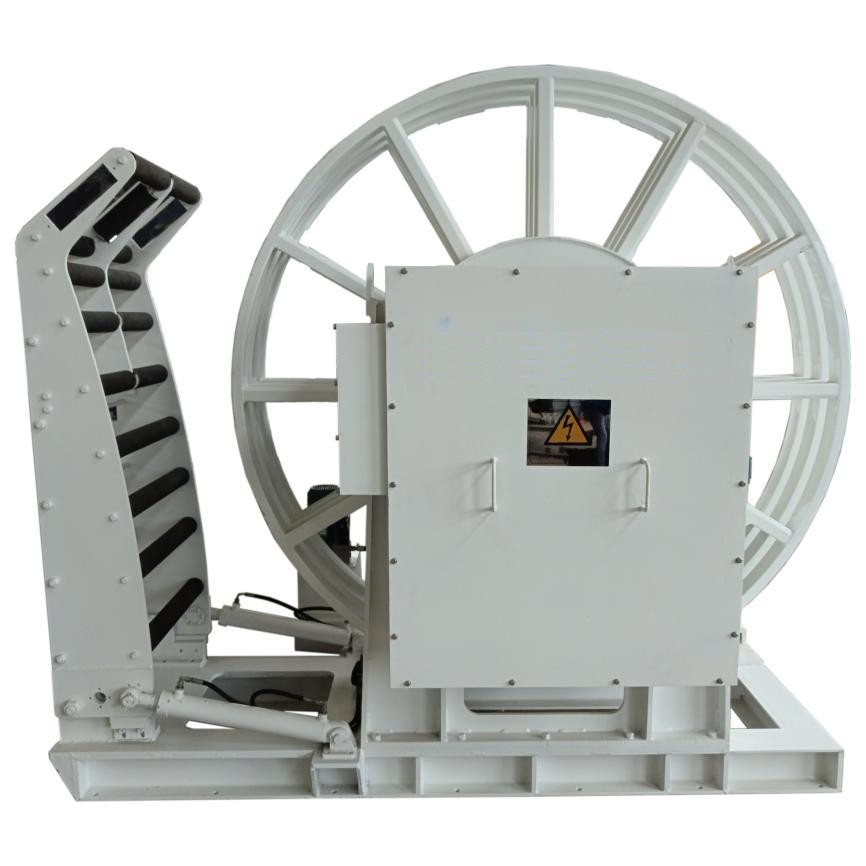
Two interface points matter most to buyers. Plugs and sockets: dimensional standardization lets hardware from different makers mate, so a new unit directly replaces an aging installed one. Cable management on the HV side is safety-critical — an HV shore power cable reel must be rated for the full system voltage and current, with controlled winding and protection against quay conditions.
What It Means for Port Projects
The commercial force behind 80005-1 is the EU's Alternative Fuels Infrastructure Regulation (AFIR, Regulation 2023/1804). From 1 January 2030, TEN-T core maritime ports must provide shore power to container and passenger ships of 5,000 GT and above that call at least 50 times per year, covering at least 90% of the energy demand of those calls. In parallel, FuelEU Maritime requires the same at-berth vessels to connect to shore power or use zero-emission technology from the same date, and the scope expands in 2035.
The fleet is already moving: approximately 3,940 ships have shore power reception capability — 14.5% of global tonnage (Clarksons, January 2026). Ports investing in 80005-1 compliant HVSC capacity are positioning for that demand; shipowners adding reception capability are protecting port access.
How to Specify Compliant Equipment
A specification that survives tender scrutiny should pin down seven points:
1. Voltage and frequency — 6.6/11/15 kV (HV) or 400/440 V (LV); 50/60 Hz to match the ship.
2. Current rating — LV 63–350 A, HV up to 500 A, with margin for load growth.
3. Interlocks and earthing — plug interlocking, earth verification, ship-shore communication before energization.
4. Enclosure protection — quay-side equipment operates in salt spray and washdown; IP66 is the working minimum.
5. Interface compatibility — plugs & sockets built to international shore power interface dimensions, so replacements mate with installed infrastructure.
6. Type approval — certificates from major classification societies (CCS, ABS, LR, DNV, BV).
7. Cable reels — voltage class (6.6/11/15/25 kV), current up to 500 A, duty and enclosure rating.
Delivery terms decide schedules too: standard hardware ships in 15–25 working days with no MOQ, and complete turnkey shore power system packages cover ship-side and shore-side scope from one source.
FAQ
What is the difference between IEC 80005-1 and 80005-3?
80005-1 covers high voltage shore connection (6.6 kV / 11 kV, up to the 20 MVA class) for large vessels such as container ships, cruise ships and RoRo. 80005-3 covers low voltage connection (≤ 1 kV, typically 400/440 V, 50/60 Hz) for tugs, ferries and inland vessels.
Does my vessel need an HVSC system?
Size the connection to the at-berth load: hundreds of kW points to LV (63–350 A); multi-MW loads point to HV. For ships in EU trade, FuelEU Maritime's 2030 at-berth requirement settles the question for larger tonnage.
Can new plugs and sockets replace installed units from other suppliers?
Yes. Our plugs and sockets follow international shore power interface dimensions and directly replace aging imported units, with no MOQ and 15–25 working day delivery on standard items.
What approvals does the equipment carry?
Type approval from CCS, ABS, LR, DNV and BV. Document packages are issued on request, and engineers reply within 24 hours.
Planning a shore power project? Request a Quote — engineers reply within 24 hours with type approval documents.